Texas
A High-Impact Opportunity to Reduce Litter and Recover Value
Texas is losing an enormous volume of recyclable material every year, and much of it is ending up as litter or landfill waste. In 2023, an estimated 23.7 billion beverage containers were sold in the state, yet the majority were not recovered. Billions of containers are discarded annually instead of being returned, recycled, or reused.
This is a large and persistent loss.
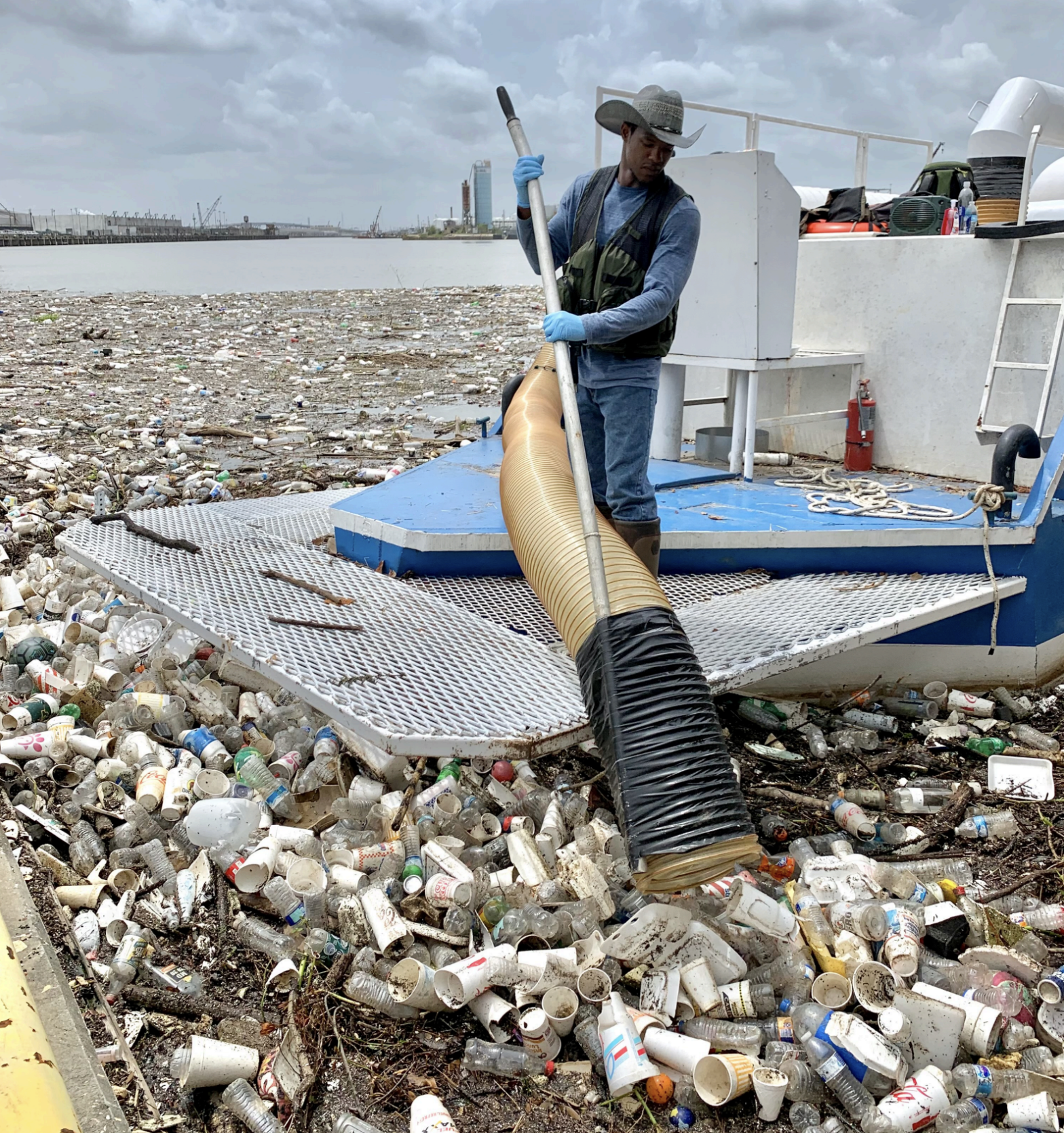
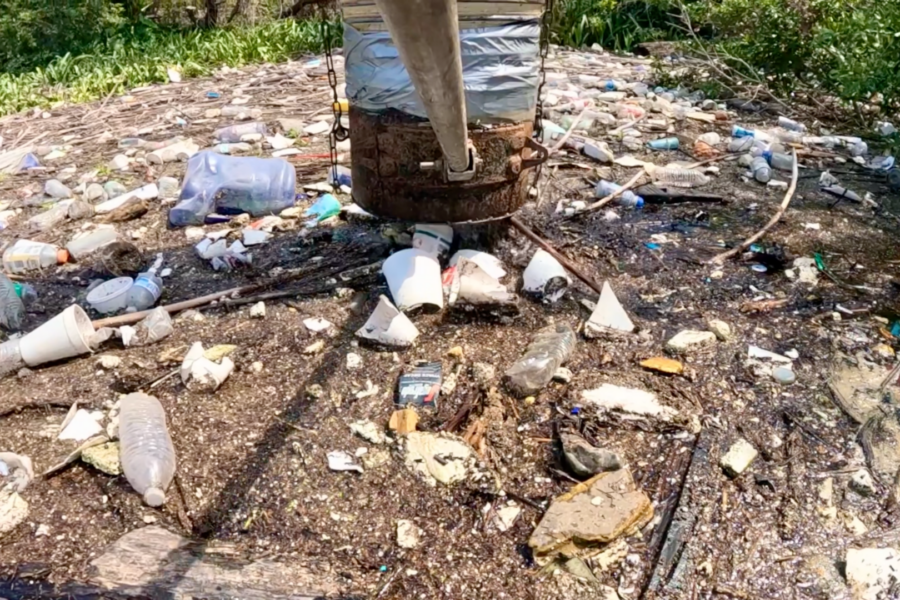
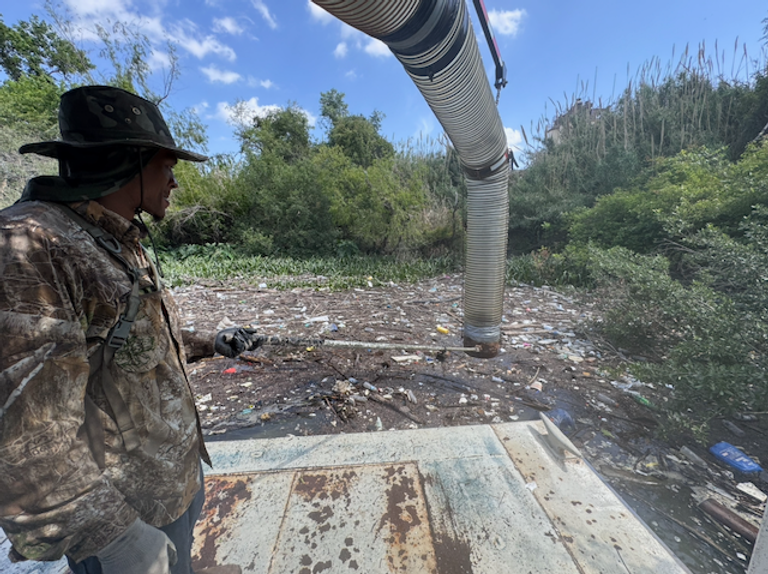
These materials do not simply disappear. They accumulate in landfills, appear along roadsides, and make their way into rivers, lakes, and coastal environments. For Texas, this is not just a recycling issue—it is a material-recovery problem, a litter problem, and a missed economic opportunity at scale.
The economic impact is substantial. Texas loses more than $370 million in recyclable material annually, including approximately $100 million worth of aluminum alone. At the same time, communities spend roughly $50 million each year on litter cleanup, while an estimated 400,000 tons of litter are generated across the state.
Why Texas Stands Out
With one of the largest populations and economies in the country, Texas generates an enormous volume of beverage-container waste. That scale makes the consequences of material loss more visible—and the opportunity to improve recovery more significant.
Texas also has the industrial base to support stronger outcomes. The state is home to recycling and manufacturing capacity that depends on a steady supply of recovered materials. When those materials are not captured, the system does not simply slow down—it becomes inefficient.
Texas is discarding valuable materials while importing the same resources to meet demand.
That mismatch is not theoretical. It is a direct result of underperforming recovery systems. Materials with real value are being lost locally, even as industries within the state rely on those same inputs to operate.
Why the Current Approach Falls Short
Texas does not lose materials because they are unrecyclable. It loses them because the system does not consistently make recovery the easiest and most worthwhile choice.
The key decision happens at a simple moment: when someone finishes a drink and decides what to do with the container. In that moment, the choice is practical—based on convenience, effort, and whether the container feels worth keeping.
Without a clear reason to hold onto it, the container is often discarded.
This is where system design determines outcomes. Material recovery depends on whether there is a direct incentive, how easy it is to return the item, and whether the value of doing so is clear. When those factors are not aligned, large volumes of recoverable material are consistently lost.
Why Behavior Has to Be Part of the Solution
Texas does not just need more policy on paper. It needs a system that changes what happens in practice.
That is where outcomes are decided.
Policies focused on financing, governance, or system management can improve how recycling programs operate, but they do not change what a consumer does when holding an empty bottle or can. Incentive-driven systems matter because they operate at that exact decision point, giving the container visible value and making return easier, more immediate, and more worthwhile.
When the system changes the decision, the outcome changes with it.
For a state as large as Texas, that behavioral shift has outsized impact. Even modest improvements in recovery behavior translate into billions of containers captured, millions of dollars retained, and significant reductions in litter and waste.
What Better Recovery Could Look Like
The opportunity in Texas is not marginal—it is structural.
Improving recovery would significantly increase the volume of materials captured each year, particularly high-value materials such as aluminum and PET. Those materials could then be supplied directly to in-state processors and manufacturers that already depend on them.
That is a system-level improvement.
For industry, this means a larger and more reliable stream of usable material. For communities, it means less litter and reduced cleanup costs. For the state as a whole, it means capturing hundreds of millions of dollars in material value that is currently being lost.
In practical terms, stronger recovery would do three things at once: supply more usable material to industry, reduce litter across communities and waterways, and capture value that is currently being discarded.
Why It Matters
Texas illustrates what happens when a large system underperforms. Valuable materials are lost, litter accumulates, and economic opportunity is missed—all at scale.
This is not an abstract issue. It is visible across communities throughout the state, from highways and public spaces to waterways and coastal regions.
A stronger recovery system would keep more material in productive use, reduce the amount of waste entering the environment, and better align the state’s existing industries with the resources already being generated.
That is what makes this such a high-impact opportunity: the scale is large, the value is real, and the path to improvement is clear.